Oakland Psychiatric Facility Lockdowns, Keycards, and Access Control
How sealed wings, keycard doors, and crisis alarms reshape every OPF shift.
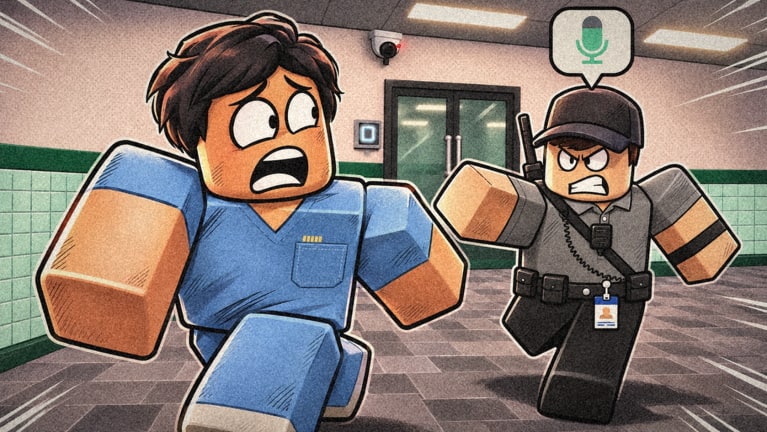
Keycard doors, laptops, lockdowns, riot alarms, and panic tools are the spine of Oakland Psychiatric Facility’s containment fantasy. On a 60-player Roblox asylum server, who can walk where decides whether a therapy hour survives or a breakout becomes a legend. This guide explains the Access Control fantasy, how keycards should feel in roleplay, when lockdown and alarm tools are legitimate, and how patients versus staff experience sealed wings. It does not invent door IDs, card spawn tables, or glitch routes. Pair it with How to Escape, the Staff Guide, Players / Security, Controls, and Warden and Administration.
Why access systems exist
OPF launched November 1, 2026 with eleven teams sharing one building: Patients, Visitors, Orderly, Orderly Support, Medical Staff, Chef, Janitorial, Maintenance, Security, Warden, and Administration. Marketing highlights laptops, keycard doors, and lockdowns beside wounds, bleeding, cardiac arrest, and vision-altering psychiatric conditions. Those systems only matter if access is scarce. If every door stays open, Security has no checkpoint story and patients have no obstacle worth planning around.
Access Control is therefore a story tool, not a mute button for boredom. Warden and Administration carry special weight when facility-wide decisions land. Orderly and Security feel the day-to-day card discipline. Maintenance repairs the hardware fantasy after breaches. Patients and Visitors feel the consequence when a wing seals mid-scene.
Keycard fantasy without fabricated unlock numbers
Treat keycards as controlled workplace equipment. Staff lose scenes when they leave cards on tables “for content.” Patients win hollow victories when a friend on staff palms them a card—that is banned teaming on the staff sheet, not a strategy tip. Official staff rules forbid helping escapes, handing over weapons, keycards, tools, or contraband, opening doors for breakouts, and tipping lockdown or search information.
Roleplay-friendly keycard habits:
- Narrate why your character has clearance for this corridor
- Challenge unknown faces at staff-only thresholds
- Treat a missing card as an incident Security should investigate
- Use laptop workflows as part of the job, not as silent grief toys
- Never publish “always works” exploit paths; report bugs instead
Patients reading escape guides should watch who carries access and when chaos pulls Security away—not search for collision holes. Visitors should not become card couriers; see the Visitor Guide.
Lockdowns, riot alarms, and panic buttons
Staff tools that seal movement or raise the facility state are for real situations only. The staff rules call out lockdowns, riot alarms, panic buttons, Access Control, and firing tools as serious instruments. Spam locking wings for laughs is alarm abuse and can feed jobban territory when moderators review patterns.
Legitimate use cases look like:
- Active breakout with unknown numbers still inside staff areas
- Riot with weapons or mass assault on a checkpoint
- Medical mass-casualty moment where corridors must clear for AED and bleeding care
- Credible hostage or advert-flagged crisis that needs controlled perimeter
- Ordered escalation from Warden or Administration during a cascading failure
Illegitimate use cases look like:
- Locking a wing because a patient insulted you
- Panic spam to farm reactions on stream
- Sealing Medical so rivals cannot treat
- Permanent-feeling access changes with no incident log or leadership buy-in
- Using lockdown to dodge a scene you are losing instead of valuing your life and roleplaying the loss
During a real crisis, coordinate. Seal routes that protect Medical and civilians first. Call Medical early—bleeding and cardiac arrest end fights whether you acknowledge them or not. Reset systems when the threat ends so Chef, Janitorial, and Maintenance can restore cafeteria flow and repair what riots broke. The Medical Guide and Players / Medical and Crew explain why aftermath labor matters.
How staff experience sealed wings
For Orderly and Orderly Support, a lockdown means escorts pause, appointments slip, and surge capacity moves to doors that still matter. For Security, sealed wings create checkpoints inside the building: verify who belongs, cuff with cause, and avoid RDM on people who are merely stuck. For Warden and Administration, lockdown is a policy broadcast—announce intent in character, keep chain of command clear, and avoid freestyle mass sentences that ignore listed offenses.
Staff force policy still applies behind locked doors. Batons, pepper spray, Tasers, and guns are for attackers, armed players, active escapees, or people ignoring clear orders after a warning—never for restrained or surrendering players. Orderly Support players who kill non-threats already face automatic warning and short jobban escalation; lockdown stress is not a free kill license. Staff-on-staff harm is blocked and warned automatically—report misconduct instead of team-killing your coworker in a sealed hall.
Radio and laptop hygiene matter. Share only what your character should know. Metagaming Discord callouts into Access Control clicks is still metagaming. Keep /ooc short; use proximity chat for orders people in the room can hear. Details sit on Controls.
How patients and visitors experience sealed wings
For patients, a lockdown is both obstacle and opportunity. Sometimes you are trapped away from an exit. Sometimes Security density shifts and a quieter edge appears. Official design wants patients to take meds, attend therapy, earn credits, and plan escapes in character—not invent noclip. Riots still need a roleplay reason; “I was bored in lockdown” is not a mass RDM passport. Escapees who already left must not attack patients or other escapees when they return to help.
For Visitors, sealed wings often mean the visit ends early. Comply, relocate when ordered, and do not shoulder-check every keycard door because a short online showed a sneak. Sneaking without clearance is a scene that should risk cuffs, not a requirement to break the map.
Psychiatric conditions that alter vision can make locked geometry scarier or harder to read. Seek treatment RP when the effect makes navigation unreadable before you blame the door. Value your life if staff have you at gunpoint during a sweep.
Chain of command and Access Control responsibility
Follow higher ranks during facility-wide events. Warden and Administration own the serious Access Control moments; Orderlies should not freestyle building-wide seals for ego. If you disagree with a lockdown call, argue through chain of command or OOC report channels—not by opening doors for patients to “balance” the shift. That is teaming.
Applications and leadership culture for high-authority roles are discussed on Warden and Administration and through forum.oaklandrblx.com. Do not invent unlock thresholds in wiki voice; more teams open as you play, and Admin paths often involve community process.
Pairing access knowledge with escape and security play
Escape players should study staff posture around cards and alarms, then execute motivated plans from How to Escape. Security players should read patient expectations on the Patient Guide so fair contests remain possible. Everyone should skim Updates after patches—asylum RP metas shift hard when lockdown timing or door permissions change. Tracker banners like [2X XP] are not access cheats; they are progression hints confirmed in Discord, not typed codes. Codes belong on Codes only when real strings exist.
Practical drills
- One staff shift where you never touch lockdown tools unless a real threat appears.
- One patient hour spent mapping which doors close during alarms without attempting a breakout.
- One Maintenance-focused look at post-breach repair fantasy with crew pages open.
- One Warden-observed incident where Access Control resets after the all-clear.
- A rules refresh on Rules and Jobbans so alarm abuse consequences are clear.
Community references
Rules: DevForum topic 4992436. Discord: discord.gg/psychiatry. Site: oaklandrblx.com. Forum: forum.oaklandrblx.com. Group: 293645330. Socials: YouTube @oaklandrblx, TikTok @oaklandrblxgame. The Wiki hub mirrors link destinations. Exploits remain instant-ban territory—see Scripts as a caution page, never as Access Control bypass advice.
Lockdowns and keycards make Oakland Psychiatric Facility feel like a workplace under pressure instead of an open deathmatch lobby. Carry cards like they matter, raise alarms only when the building needs them, reset access when the threat ends, and let patients earn their exits through roleplay rather than propped doors. Return to the Guides Hub for the full tutorial map, and keep Players / Security nearby whenever you are the one holding the line.
Frequently Asked Questions
Quick answers for Patients, staff, and new OPF players.
When should staff call a lockdown in OPF?
During real breakouts, riots, mass-casualty needs, or ordered escalations from Warden or Administration—not for insults, boredom, or stream reactions.
Can staff give patients keycards for content?
No. Handing over keycards, opening doors for breakouts, or tipping lockdown information is banned teaming under official staff rules.
How should patients treat sealed wings?
As obstacles and timing puzzles inside roleplay. Plan around them, seek treatment if conditions blur navigation, and do not use exploits to skip doors.
What should happen after a lockdown ends?
Reset Access Control when safe, reopen routes you can, hand wounded to Medical, and let crew repair and restore cafeteria or ward flow.
Where do I learn commands and opposition posture?
Use Controls for chat commands, Staff Guide and Security team pages for enforcement, and How to Escape for patient-side planning.