Oakland Psychiatric Facility Medical Staff, Chef, Janitorial, Maintenance, and Administration
Treat injuries, feed the ward, clean the mess, repair systems, and keep policy coherent.
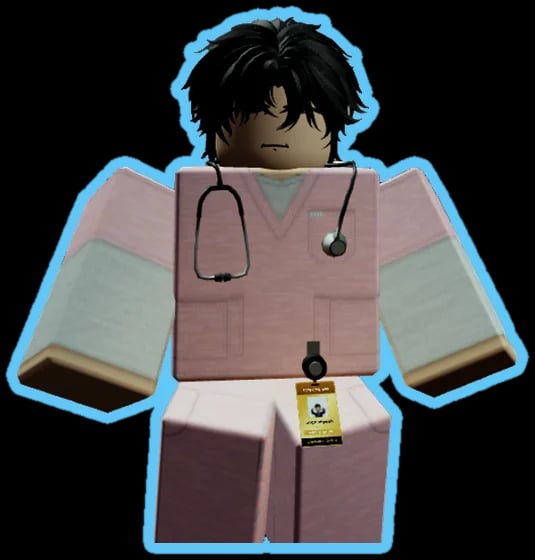
Not every Oakland Psychiatric Facility story is an escape or a riot. Medical Staff, Chef, Janitorial, Maintenance, and Administration keep the building believable after the adrenaline fades. In a 60-player Roblox asylum roleplay, these teams turn wound simulation, cafeteria routines, broken doors, and policy decisions into playable loops. This overview explains how each role supports Patients and security staff without needing a combat main. Pair it with the Teams Hub, the breakout focus on Patients, and enforcement detail on Security teams. Beginners should still open Getting Started before claiming a specialized job.
Why crew fantasy matters
OPF advertises wounds, bleeding, and cardiac arrest beside keycards, laptops, lockdowns, and proximity chat. Those features only land if someone treats the injury, cooks the meal, mops the aftermath, repairs the access hardware, and writes the rule that makes the next lockdown feel fair. Crew players are the reason a failed escape can still become a memorable medical scene instead of a silent respawn.
Publisher Oakland Psychiatric Facility / arbastro Inc. built the experience for roleplay density, not deathmatch scoreboards. Crew denser servers often feel more “alive” even when concurrent escape pressure is lower, because routines give Patients and Visitors something to do between big swings.
Medical Staff: bandages, splints, ECGs, AEDs
Medical Staff are the emergency language of the facility. The Roblox description calls out treating injuries with bandages and splints, reading ECGs, using the AED, and saving lives. Play the medic as a professional who arrives into chaos created by Patients, Escapees, Orderlies, and Security.
Medical priorities during a crisis:
- Scene safety — wait for Security to carve a pocket if gunfire or riot tools are still active.
- Bleeding and wounds first — stop the obvious killers before flavor examination.
- Cardiac response — AED and ECG reads matter when a fight or condition tips into arrest.
- Handoff — tell Orderly or Security whether the patient can walk, needs escort, or should stay under observation.
- Chart the story — a short in-character summary helps Administration and Warden understand what just happened.
Psychiatric conditions that change perception are not only a Patient toy. Medics can roleplay assessment, medication conversations, and conflicts between clinical advice and escape motives. Keep FailRP in check: you are not immortal, and you should value your life if a scene turns hostile.
Medical Staff also stabilize quieter hours. Not every shift is a mass casualty event. Clinic RP, therapy coordination, and post-cuff checks keep the hospital identity intact when the checkpoint is calm.
Chef: food as facility rhythm
Chef turns time into structure. Meals punctuate Patient days the same way therapy slots do. A staffed cafeteria gives Visitors a social stage, gives Orderlies a predictable crowd to manage, and gives Escapees a dangerous temptation if they want a noisy distraction. Cooking is not filler; it is pacing.
Chef tips that raise server quality:
- Announce service windows in character so players can plan meds and appointments around food.
- Coordinate with Janitorial before and after rushes.
- Tell Security if a meal line is turning into a mob.
- Avoid treating the kitchen as a free weapon locker. Tools stay tied to the job fantasy.
When Chef is empty, Patients lose a routine and often default to wandering until a fight appears. When Chef is present, even a lockdown feels like a facility under strain instead of an empty map with locked doors.
Janitorial: reset spaces after chaos
Janitorial is the recovery team. Riots, medical spills, cafeteria mess, and failed maintenance all leave spaces that no longer look like a working psychiatric facility. Cleaning is how the server visually returns to baseline so the next therapy scene does not happen in debris.
Strong Janitorial play:
- Arrive after Security clears a wing, not during active fire.
- Work visibly so Patients and staff can acknowledge the reset in RP.
- Flag broken access or hazards to Maintenance instead of ignoring them.
- Use proximity chat to warn people about wet floors, closed bathrooms, or blocked shortcuts.
Janitorial also teaches map mastery. Cleaners learn which rooms are magnets for escapes and which corridors Security forgets. That knowledge makes you valuable in Administration discussions later without metagaming Discord intel.
Maintenance: repairs that make systems matter
Maintenance protects the fantasy of keycards, doors, and lockdowns. If everything always works with no labor, access control becomes a free gameplay switch. If Maintenance players repair, reroute, and argue about damaged hardware after breaches, then every Escapee distraction and every Warden lockdown has a cost.
Maintenance loop ideas:
- Inspect high-traffic doors after a breakout attempt.
- Coordinate with Security before taking a critical door offline for repairs.
- Help Medical Staff when clinic equipment flavor needs a believable fix.
- Report repeated failure points to Administration so policy can change.
You are not a second Security team. Repair first. Fight only when the roleplay leaves you no safe alternative, and still value your life.
Administration: policy, applications, soft power
Administration sits on the soft-power side of the roster. Applications, appeals culture, staffing expectations, and long-term facility tone flow through Admin scenes and the wider community forums. In-world, Administration translates Warden lockdowns and Security reports into coherent policy players can understand.
Admin habits that help OPF:
- Keep rules explanations plain and consistent with the published Roblox DevForum rules.
- Separate OOC moderation talk (
/ooc) from in-character managerial RP. - Work with Medical Staff after major incidents so injury patterns inform future briefings.
- Point new players to Getting Started and the Teams Hub instead of dumping lore walls in chat.
Community surfaces for staffing and appeals include Discord discord.gg/psychiatry, forum forum.oaklandrblx.com, site oaklandrblx.com, and Roblox group 293645330. Admin-minded players often live in those channels as much as in a single server.
How crew teams interact with Patients and security
- Patients / Visitors / Escapees — your routines are content. A meal, a cleaning sweep, or a clinic visit can delay or enable a breakout without a single cuff. See Patients.
- Orderly / Support / Security / Warden — they create the scenes you stabilize. Ask for secured rooms before deep medical work; tell them when a wing is safe again. See Security teams.
- Codes and tools pages — cosmetic or QA experiments do not replace crew RP. If you experiment with client tools, understand the risk notes on Scripts and never confuse exploits with Maintenance gameplay.
Crew ranking chatter belongs on the tier list, but remember impact is social. A great medic in a fight-heavy hour outvalues a theoretical high tier that nobody is playing.
Suggested crew onboarding path
- One Medical shadow shift focused only on bandages and patient handoffs.
- One Chef service window with Janitorial paired for cleanup.
- One Maintenance inspection after a lockdown ends.
- One Administration briefing that summarizes the hour for Warden and Security.
- Rotate onto Patient or Orderly for a single session so you feel how your crew work lands on the other side.
Escape-specific routing still lives on pages like How to Escape, and input basics on Controls. Crew players who understand those documents respond faster when a “routine” meal line becomes the opening move of a breakout.
Oakland Psychiatric Facility launched November 1, 2026 as a free Roblox roleplay with roughly mid-hundreds of thousands of visits and strong concurrent peaks for its age. Eleven teams share the building; Medical Staff and facility crew are how the other seven stay grounded. When in doubt, keep the lights on, keep the clinic stocked, and leave Patients enough room to tell a story worth containing.
Frequently Asked Questions
Quick answers for Patients, staff, and new OPF players.
What does Medical Staff do in OPF?
Treat wounds with bandages and splints, read ECGs, use the AED, and stabilize patients after fights, escapes, or medical events.
Is Chef only a side job?
No. Meals pace the facility, create social hubs, and give Orderlies predictable crowds to manage between crises.
How do Janitorial and Maintenance differ?
Janitorial resets spaces after mess and riots. Maintenance repairs doors, systems, and hardware that make keycards and lockdowns meaningful.
What is Administration for?
Policy, applications, appeals culture, and coherent facility leadership that ties Warden and Security decisions to published rules.
Which pages should crew players read next?
Return to the Teams Hub, skim Security teams for incident handoffs, and use Getting Started for day-one orientation.