Oakland Psychiatric Facility Medical Staff Guide for OPF
Bandages, splints, ECG, AED, bleeding control, and cardiac arrest under fire.
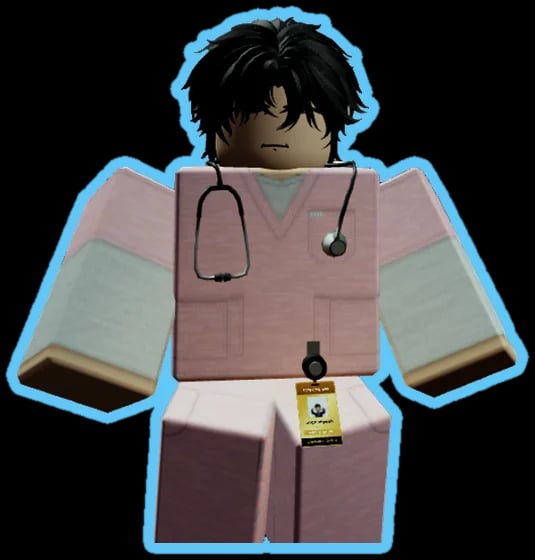
Medical Staff are the reason Oakland Psychiatric Facility riots end in survivors instead of a silent lobby. Official features highlight wounds, bleeding, and cardiac arrest, plus psychiatric conditions that change vision. Your toolkit—bandages, splints, ECG reading, and the AED—is advertised on the Roblox page for a reason. This guide explains how to play the clinical lane while still obeying every staff rule in the Staff Guide.
If you are new to OPF, skim Getting Started and Controls before you take a trauma case mid-lockdown.
Your place among the eleven teams
Medical Staff sit beside Orderly, Security, Warden, Administration, and the crew jobs (Chef, Janitorial, Maintenance) on the eleven-team roster. You are still staff: no helping patients escape, no gifting keycards, no tipping lockdowns, no RDM, no restraint abuse. Clinical kindness is not a free pass to open Secure doors for breakout buddies.
Identity context for mixed clinical and facility support roles is on Players / Medical and Crew. Security expectations are on Players / Security. Patients you will treat—and sometimes chase later—are covered in the Patient Guide.
Triage priorities that match the systems
Bleeding and wounds
Bleeding is a clock. Bandage early, communicate clearly in proximity chat, and pull the patient out of active crossfire when Security can cover you. Ignoring hemorrhage to argue OOC is how cardiac events cascade. If a patient keeps fighting while bleeding out, warn them in character; value-of-life rules still apply to them.
Splints and mobility injuries
Splints stabilize break-style injuries so players can move through evacuations and escorts. Use them when a patient or staff member cannot walk a checkpoint without collapsing the scene into endless downs. Do not withhold splints to “teach someone a lesson”—that slides toward FailRP and misconduct.
ECG reading
ECG tools exist so you can assess cardiac status instead of guessing. During quiet ward hours, practice the read so riot minutes are not your first attempt. Call out findings in proximity range so Orderlies and Security understand whether they are escorting a stable patient or a crashing one.
AED and cardiac arrest
Cardiac arrest is a full stop on escape plans and cuff marches alike. Clear space, use the AED as trained for your role, and keep Security from dragging a coding patient through three locked wings “for processing.” After revival, reassess bleeding; arrests often follow untreated wounds.
Working inside lockdowns and riots
Lockdowns, riot alarms, and Access Control reshape your routes. Coordinate with Warden and Administration rather than demanding every door stay open. Security should carve a lane to you; you should not sprint alone into an active firefight for hero clips. If Escapees return to extract patients—as described in How to Escape—treat wounded on any side according to medical ethics in RP, but never hand them staff keys.
Crew repairs matter after the shooting stops. Maintenance and Janitorial restore the spaces you need for triage. Protect that loop: a broken clinic helps nobody.
Psychiatric conditions and bedside manner
Conditions that alter vision are part of OPF’s fantasy. Patients may misread corridors or panic. Stay in character, avoid mocking disabilities OOC, and route unstable patients toward therapy and meds when the scene is safe. Clinical RP is how the ward feels like a facility instead of a paintball map.
Metagaming a patient’s Discord diagnosis into your chart is still metagaming. Use what your character observes.
Force, cuffs, and the medical exception that does not exist
Medical Staff do not get a special license to shoot. If you somehow carry force tools, the same policy applies: only against attackers, escapees, armed threats, or people ignoring clear orders after warnings—and never against restrained or surrendering players. Your primary contribution is treatment, not checkpoint dominance.
Do not cuff people “for their own good” without a reason that matches staff restraint rules. Do not leave patients restrained in a corner while you AFK. Do your job; switch teams if you want to play Security.
Communication habits
- Use proximity chat for bedside instructions.
- Use
/oocsparingly for lag or rule checks. - Use
/advertonly when a scene truly needs a public medical or emergency flag—spam adverts are still spam.
Full command detail: Controls. During multi-casualty events, short callouts beat novels: “bleeding left hall,” “AED on Security,” “splint after cuff.”
Ethics under staff rules
Helping a patient walk through a staff door “because they are hurt” can still be escape assistance if the destination is freedom. Stabilize, then hand off to Orderlies for lawful movement. Giving a keycard “so they can reach the clinic alone” is still a keycard handoff—banned. Tip them about a lockdown ending early? Banned. Know the line cold.
Training loop for new Medical players
- Join on a calm server; locate clinic spaces and supply logic without rushing.
- Practice bandage and splint flows on consenting RP.
- Run ECG reads until the UI is muscle memory.
- Drill AED positioning with Security watching the door.
- Ride along on one escort to learn cuff timing versus treatment timing.
- Review DevForum rules topic 4992436 so misconduct does not end your job ban clock.
- Skim Updates after patches that touch medical items.
Cross-links that make you better
- Staff Guide — force, teaming, lockdowns, chain of command.
- Patient Guide — what your patients are trying to do between appointments.
- How to Escape — why bleeding patients still attempt breakouts.
- Tier List — relative impact notes when servers are stacked.
- Guides Hub — full tutorial index.
- Wiki — Discord discord.gg/psychiatry, oaklandrblx.com, and related hubs.
- Codes — only for real promos, never for “heal hacks.”
What good Medical looks like
Good Medical Staff arrive early, speak clearly, stabilize bleeding before ego fights, respect Access Control, and refuse teaming even when friends beg. Bad Medical Staff AFK with the AED, sell doors, or RDM “triage by shotgun.” OPF’s genre neighbors (PCF / Cliffside) taught players to expect clinic RP—deliver that standard here with OPF’s stricter published staff sheet.
When cardiac monitors scream and Security is shouting about a checkpoint breach, you are the difference between a memorable roleplay and a wipe. Bandage the bleeder, splint the walker, read the ECG, shock the arrest, and never hand the asylum to the escape plan. That is the Medical shift worth logging.
Frequently Asked Questions
Quick answers for Patients, staff, and new OPF players.
What tools do Medical Staff use in OPF?
Official features call out bandages, splints, ECG reading, and the AED for wounds, bleeding, and cardiac arrest.
Can Medical Staff open doors to help a patient leave?
No. Medical players are staff. Helping escapes, giving keycards, or tipping lockdowns is banned teaming.
What should I treat first in a riot?
Stop major bleeding early, stabilize mobility with splints when needed, then use ECG and AED for cardiac arrest. Stay behind Security cover when firefights are active.
Do psychiatric conditions affect medical RP?
Yes. Conditions can change how patients see the world. Stay in character, avoid OOC mockery, and guide them toward meds and therapy when safe.